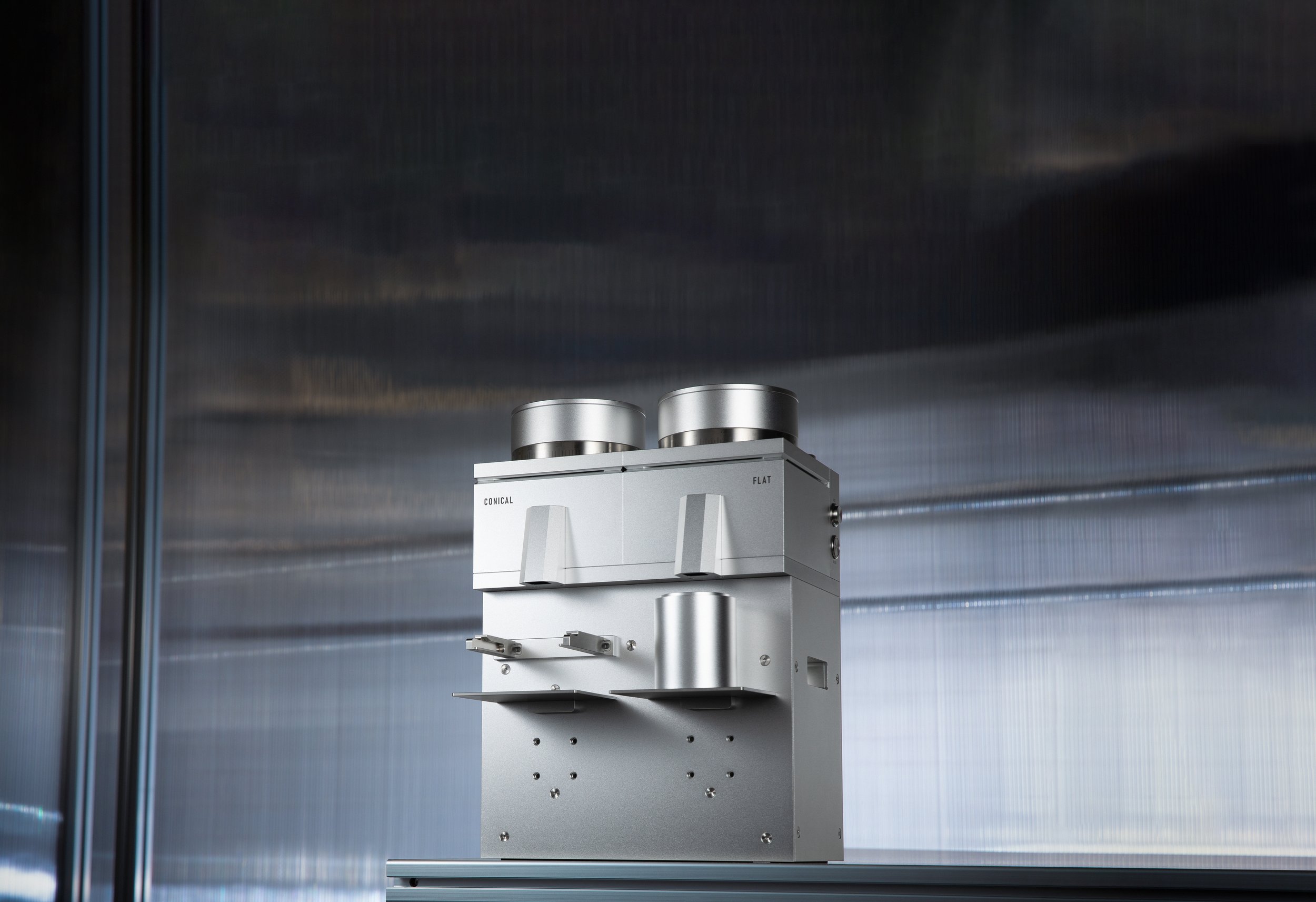

Flat. Conical. Unified.
Same coffee, different expressions. Always learning.
Grinding Dynamics Study
It started as an experiment. And we call it GDS - Grinding Dynamics Study - because grinding is not fixed. It is a changing interaction between burr geometry, burr gap, speed, and the coffee itself. Even after grinding, variables like static charge can affect how grounds move and behave in extraction.
The experimentation that began inside our team was also shaped by a question we often heard from users: “what is the difference between flat and conical burrs, and which is better?”
The more we explored, tasted, and learned, the clearer it became: coffee is less about finding an absolute answer, and more about understanding the differences. Often, the only way to know is to experience it for yourself.
The LAGOM GDS was built on that idea - bringing the best of the two geometries into a single system, so the differences can be experienced more directly.
What It Is
LAGOM GDS is our latest dual-geometry grinding system - designed to let you switch between grind styles and control how different grinding dynamics shape the cup.
There is no right or wrong - each expression is unique, and each has its place. GDS is simply a way to explore that, following your curiosity and continuing to learn.
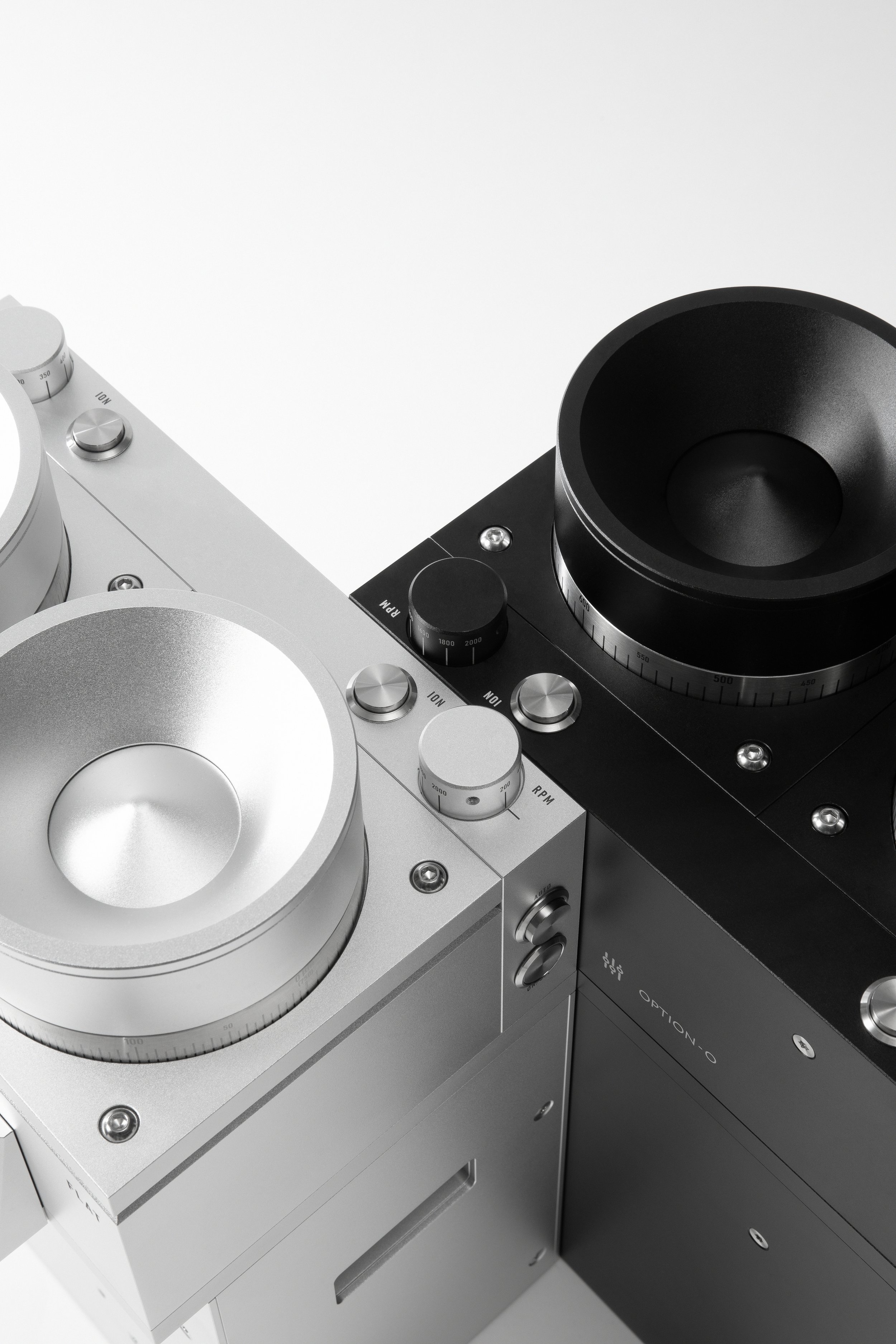
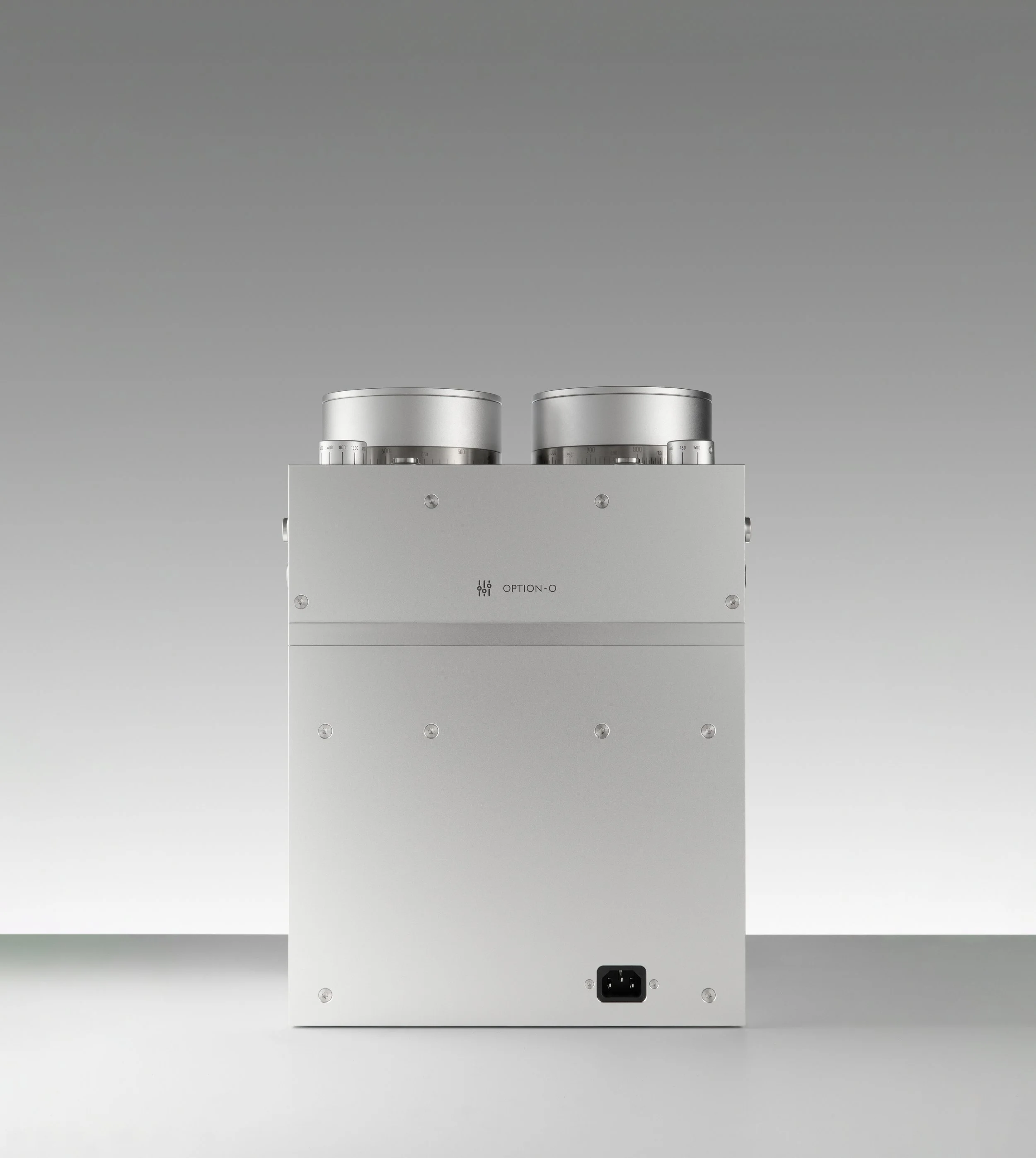
Design-wise, GDS is a departure from our usual approach. Where our signature design language focuses on clean lines and reduction, GDS takes a more industrial direction. We lean into the spirit of a “study,” designing it more like an instrument - closer to precision, lab-grade equipment than a consumer product.
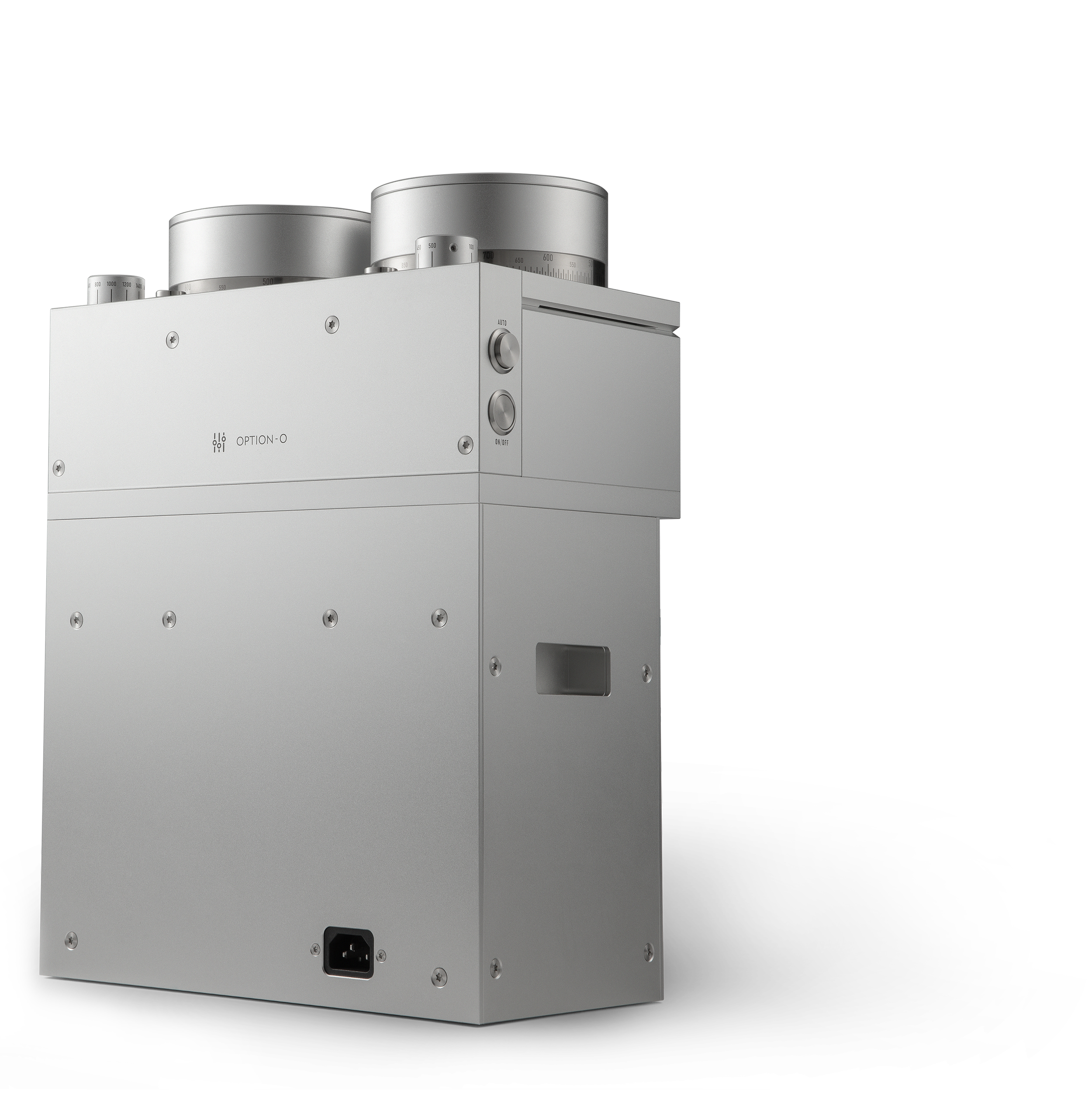
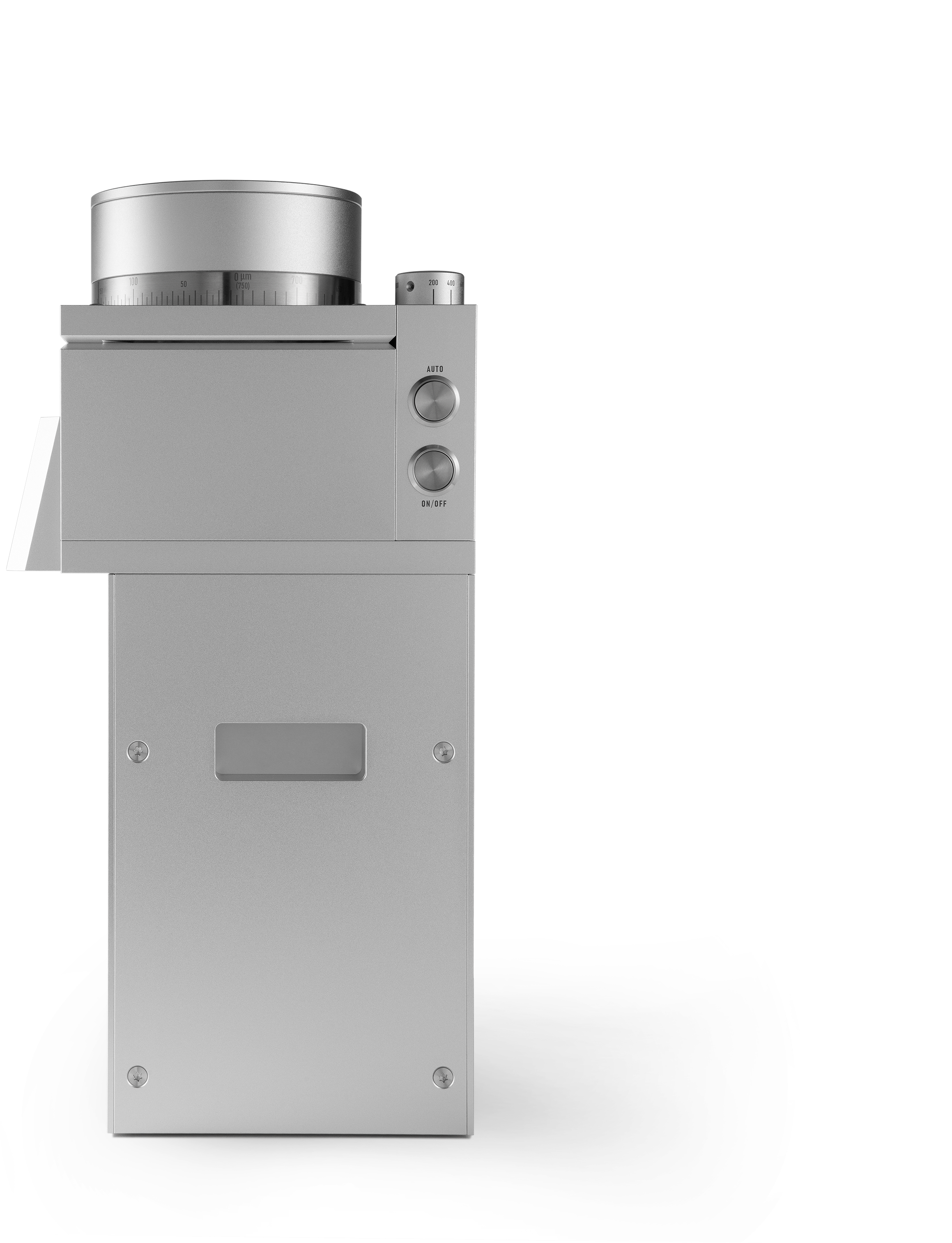
Inspired by high-end audio amplifiers, controls and fasteners are left exposed and intentional, not hidden away. Controls and knobs become part of the design language: visible, functional, and unapologetic - while retaining a sense of order and symmetry. A different expression.
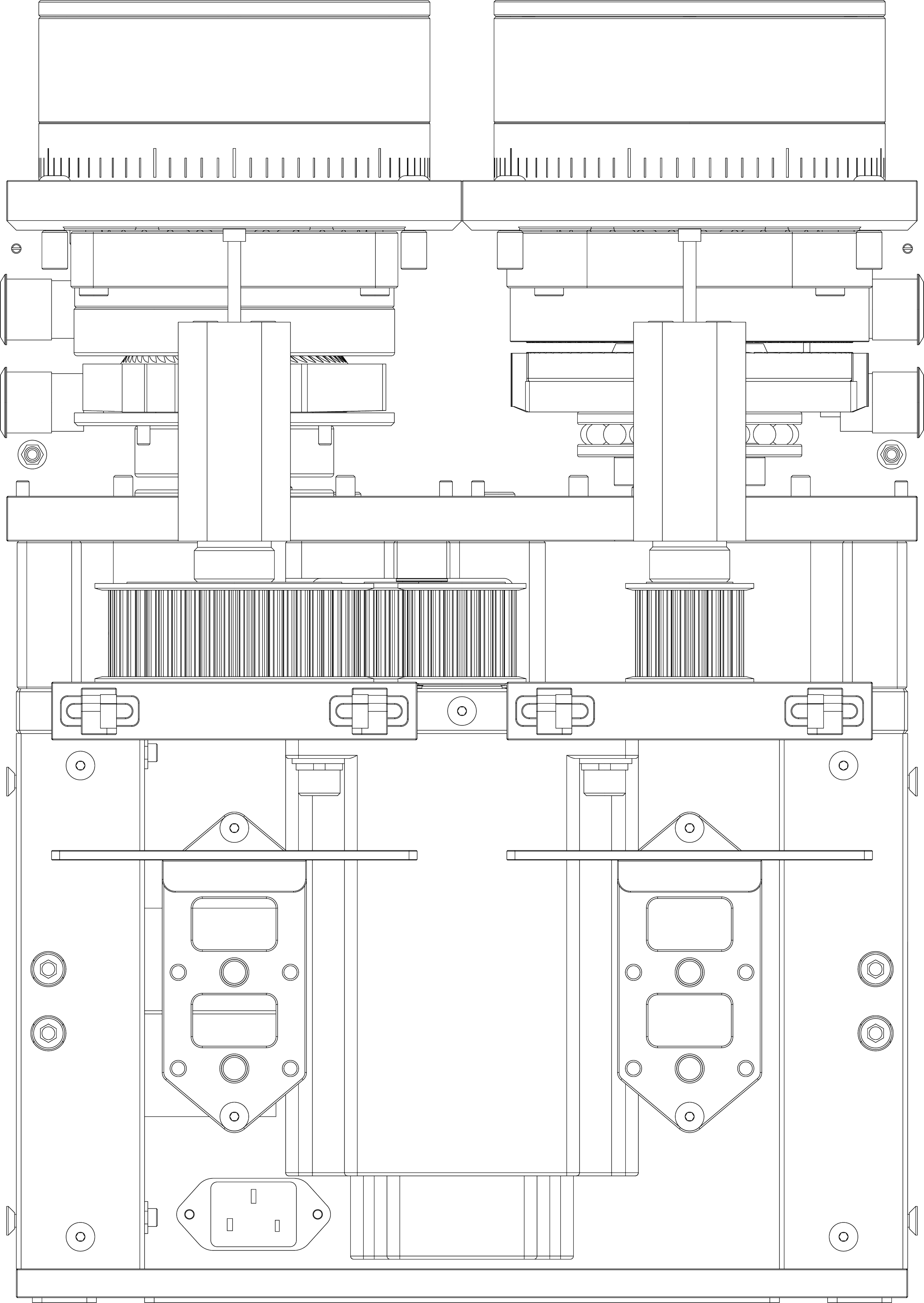
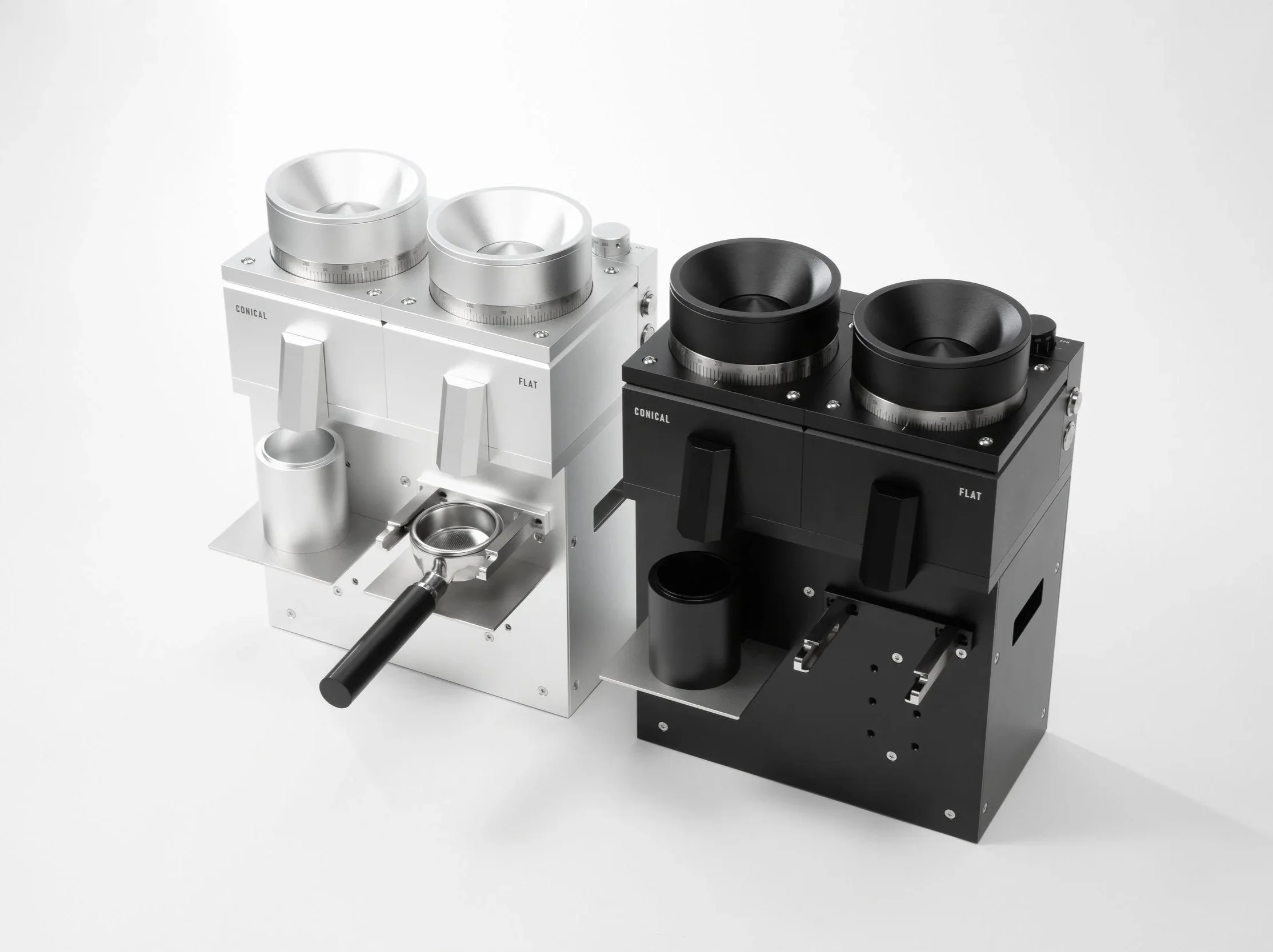
Dual geometry. One system.
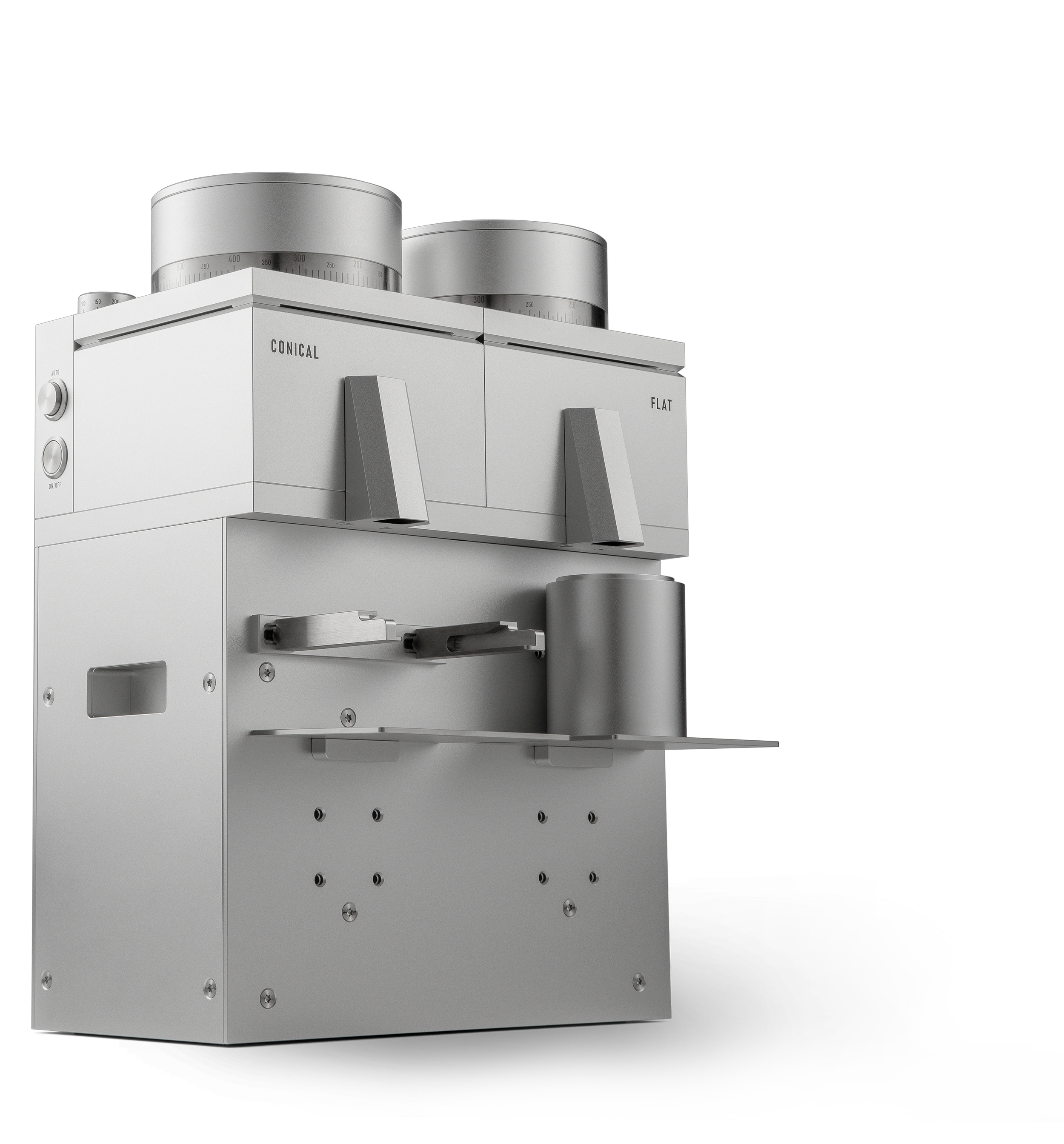
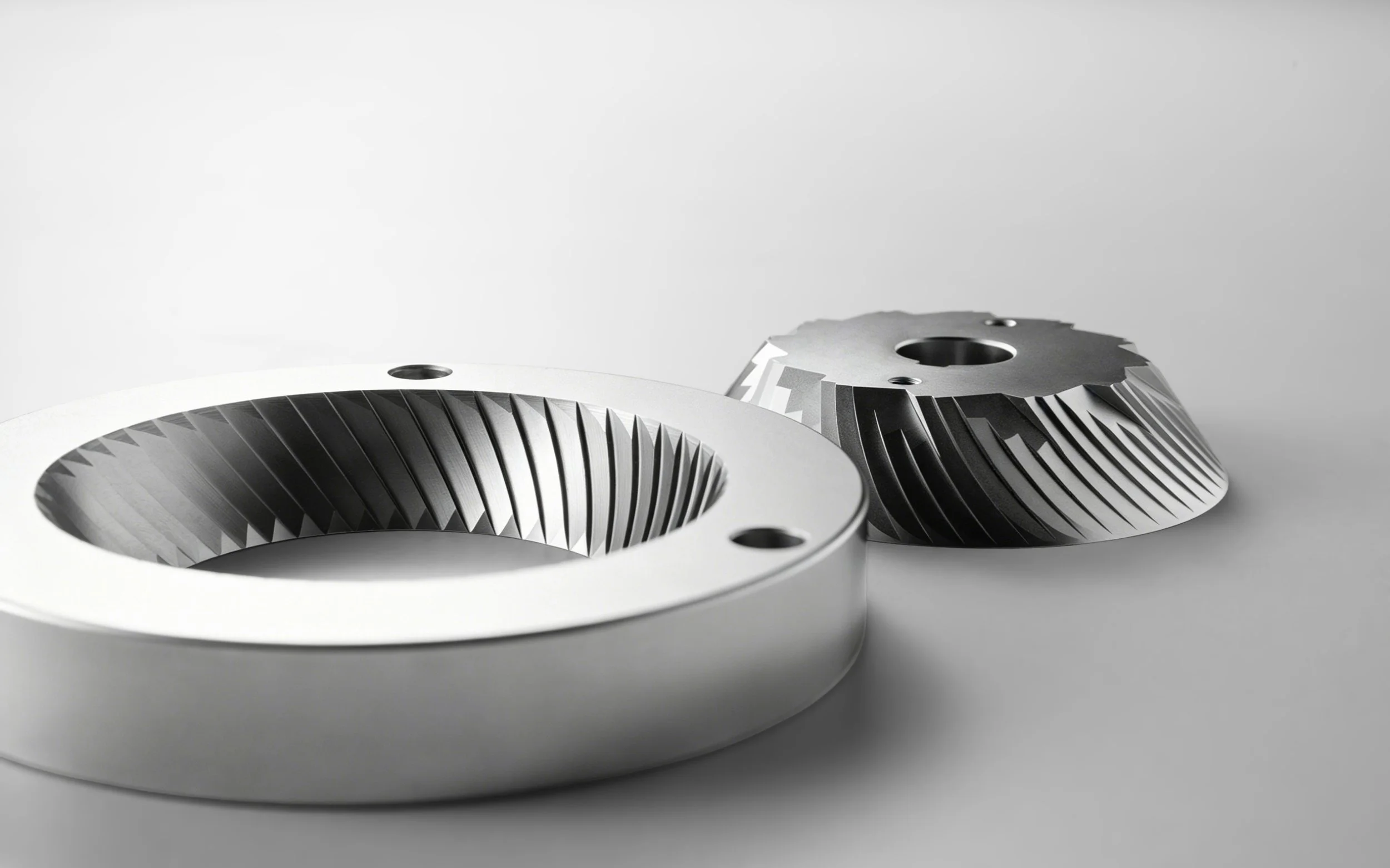
Flat and conical burrs in a single system. Designed to be compact and efficient, without compromise - allowing direct comparison between grind styles while maintaining precision and consistency in one continuous workflow.
Modular by design
Configure the grinder to suit your approach - clarity or mouthfeel, filter or espresso. GDS allows side-by-side comparison without changing machines. Each unit is assembled individually, with alignment checked to ensure consistency.
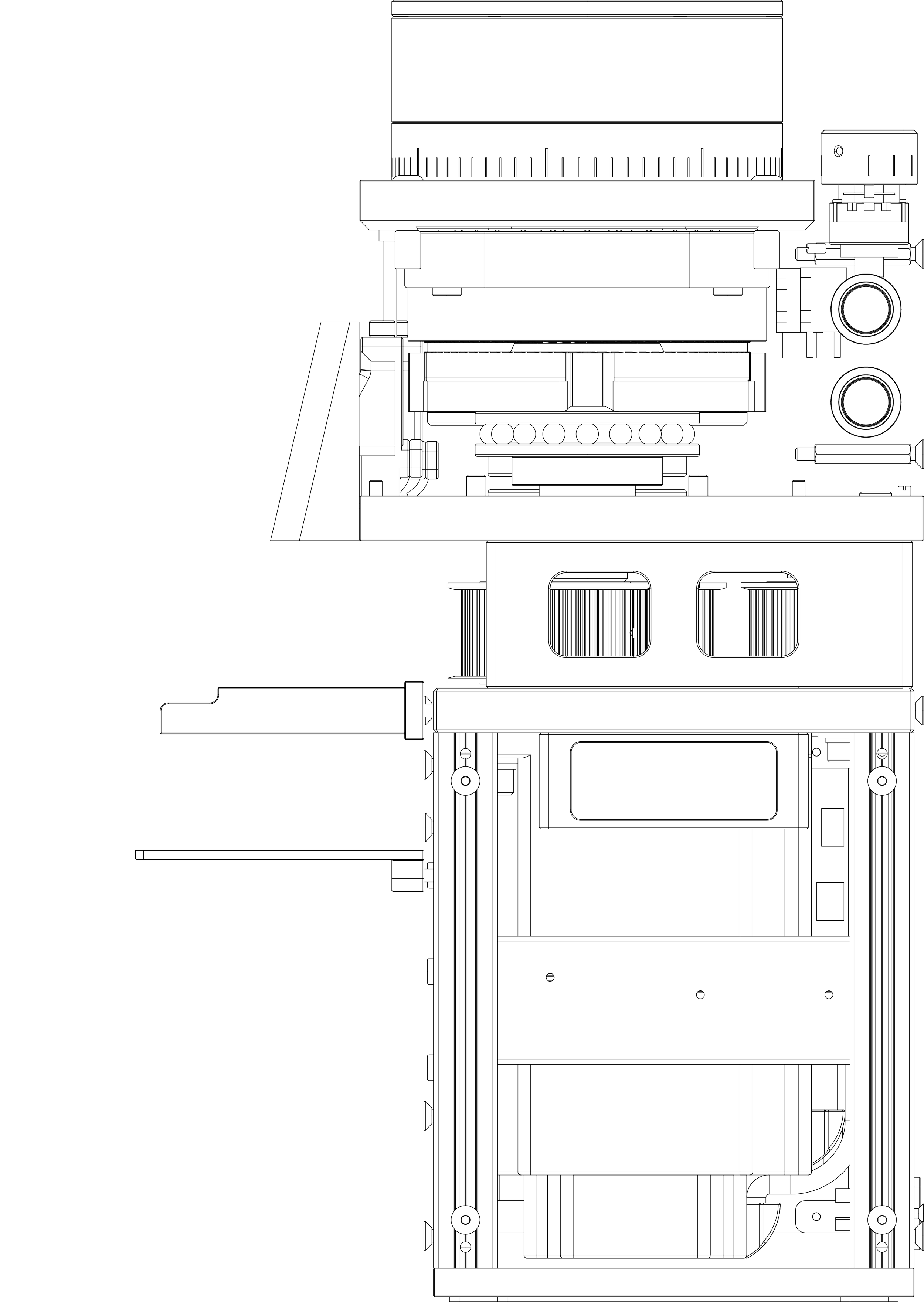
For those who want a little more
Designed as a precision tool for those who want to go deeper. Calibrated adjustments, variable speed, and direct controls provide precise, repeatable change - whether for experimentation or simply enjoying your coffee day to day.
Your tool, your control
All controls are placed directly in the hand of the barista. Grind size and speed are adjusted through analog dials, with clear, calibrated markings for accuracy. Simple, direct, and reliable - without the need for digital interfaces.
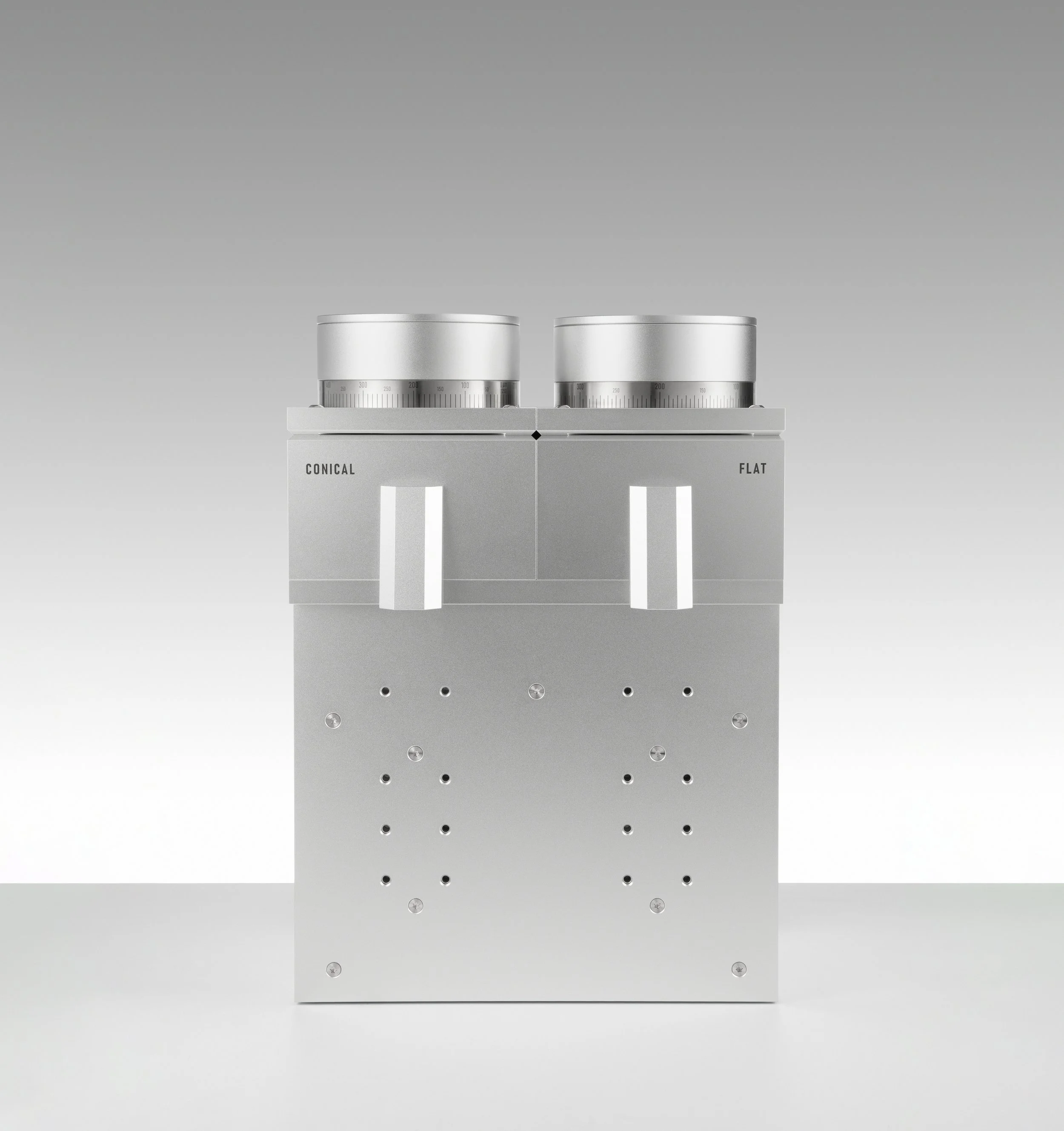
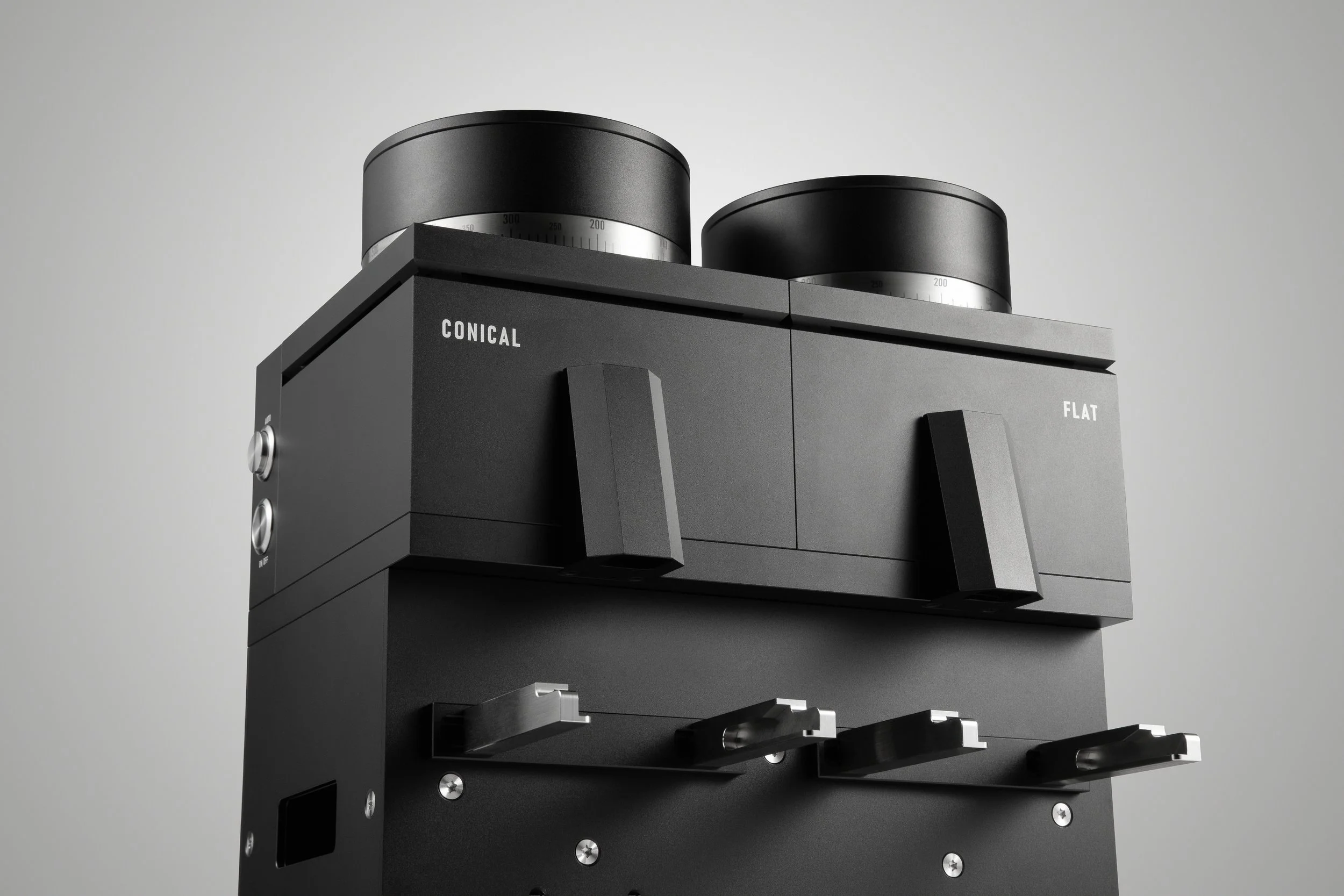
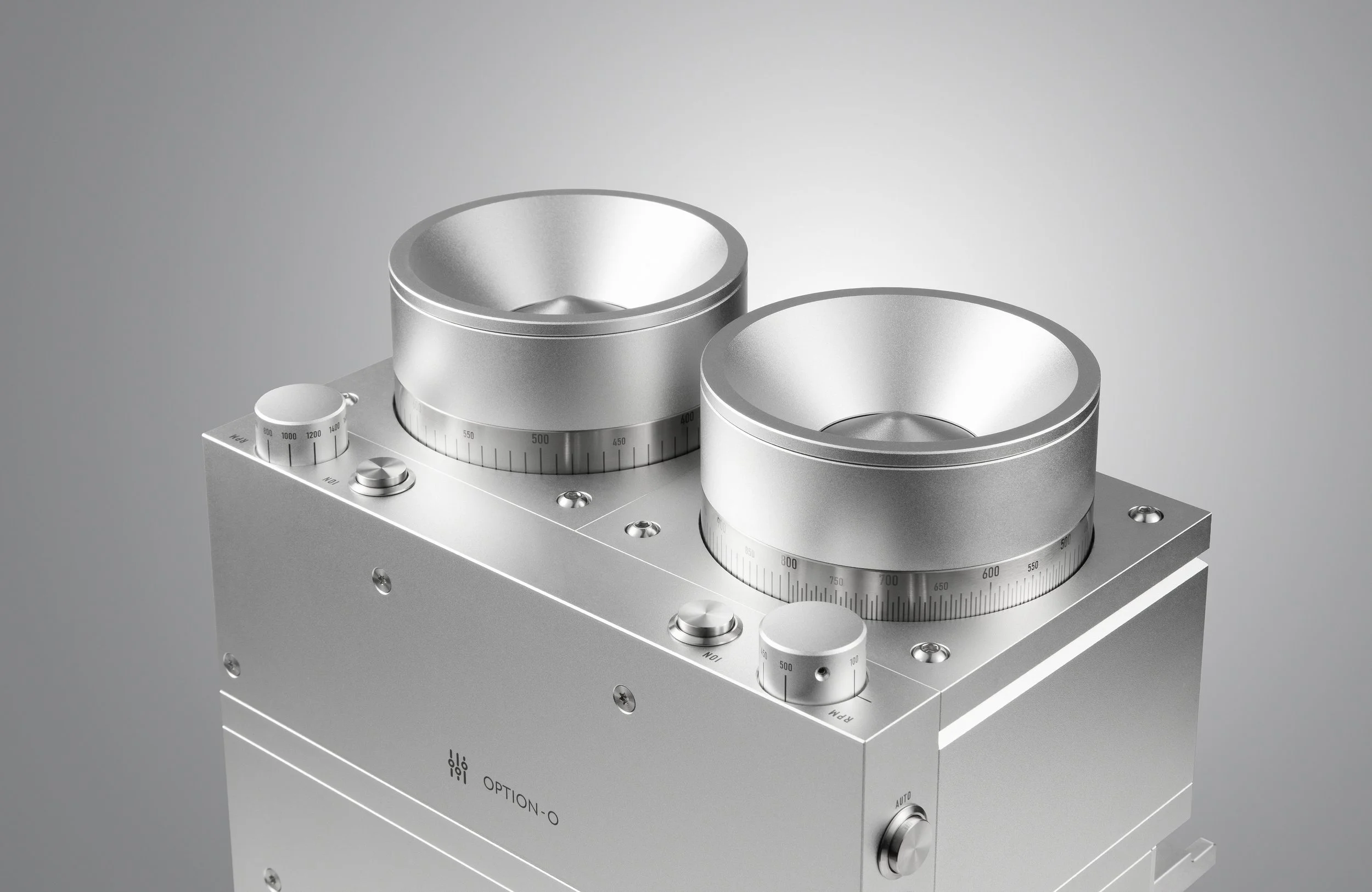
This section explores the core architecture of the GDS: the dual-burr grinding system. The interactive tool lets you configure and compare different grinder setups, illustrating how the platform brings different burr geometries into a single footprint - allowing different expressions and configurations to be explored within one system.
The Duality of
Extraction.
For decades, choosing a coffee grinder often meant choosing a "side", and accepting a compromise: one burrset may emphasize clarity and separation, while another may bring more texture and body.
GDS was designed to make that choice less fixed, and less intimidating.
The GDS platform houses both geometries in a unified chassis, allowing different expressions of the same coffee to be explored within one system.
The all-rounder setup for the coffee enthusiast or for those building their own "coffee laboratory" - at home or in a cafe. Maintain the ability to pull richer, syrupy, traditional profiles on the left, while pushing modern light roasts to their extraction potential on the right.
This section explains the design approach behind our new conical burr system. The interactive tool helps illustrate how the Preliminary Crushing System reshapes the grinding dynamics of conical burrs, influencing grind behavior and improving grinding consistency compared to conventional designs.
Re-engineering
the Conical.
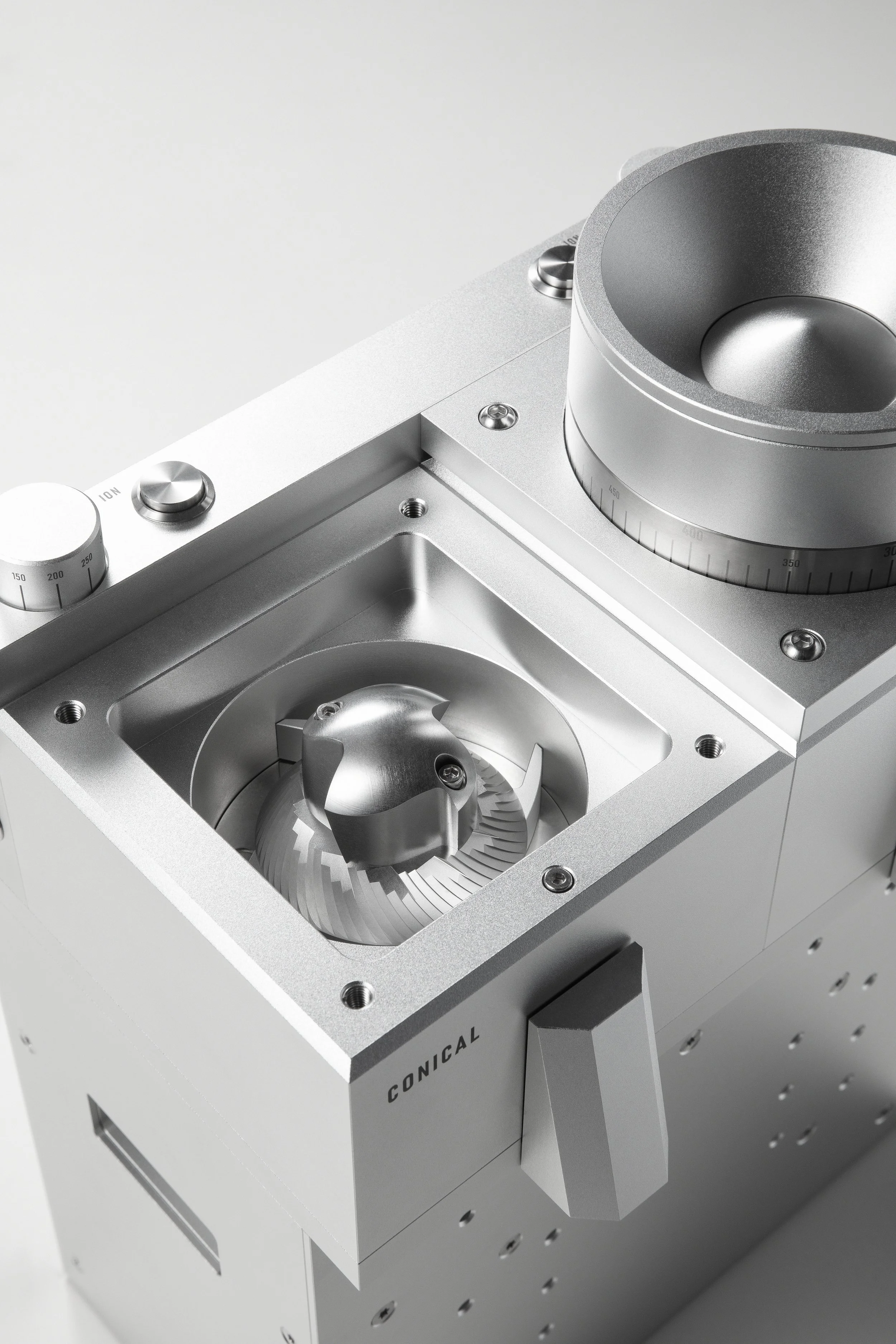
Bigger is not always better. The details matter. To truly maximize the potential of the 100mm conical burr we're creating, we went back to the drawing board to reimagine how the conical burr system comes together.
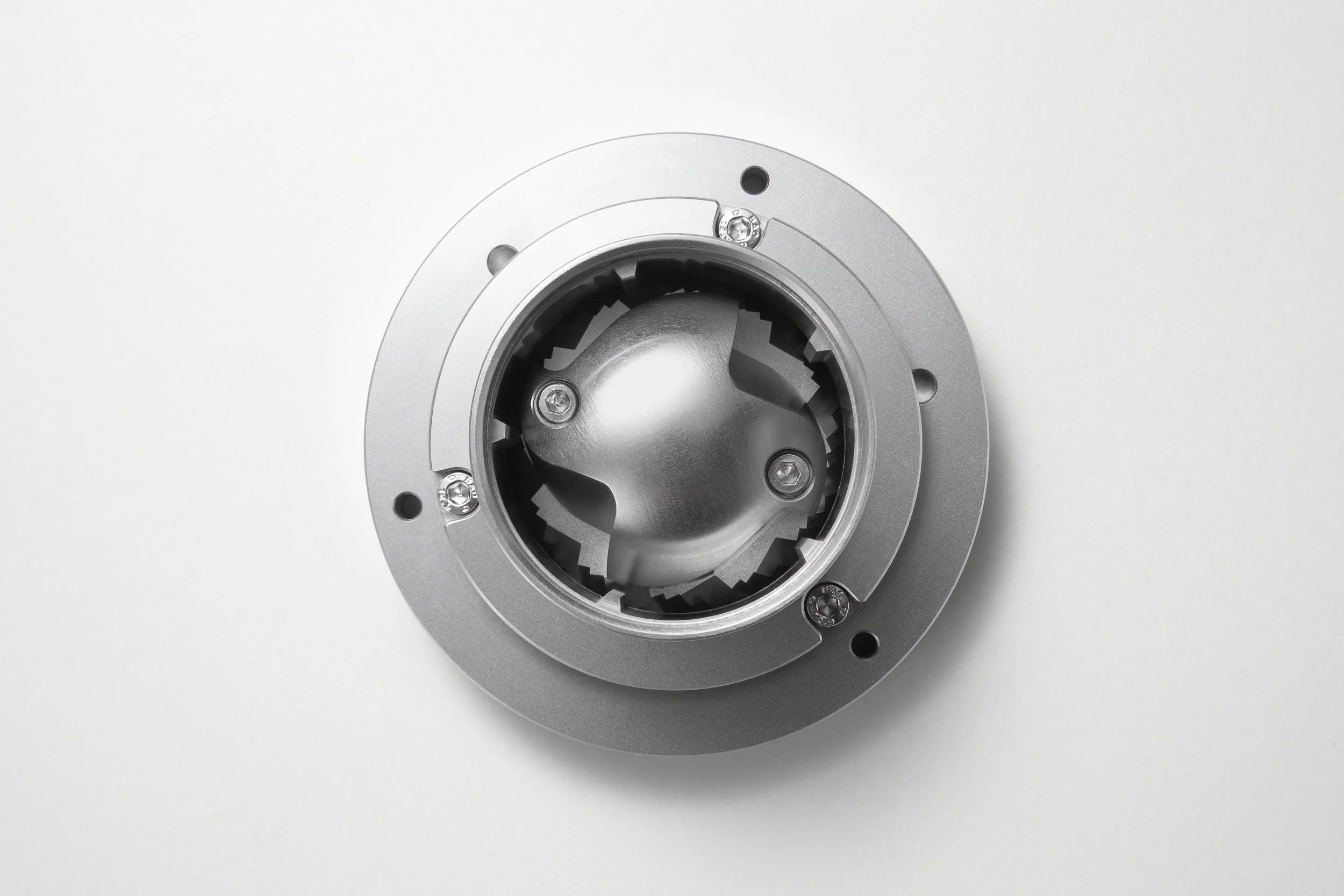
Introducing PCS (conical)
The same PCS concept, but approached differently. Our original PCS was optimized for 102mm flat burrs. Conical burrs present a different feed path, geometry, and set of engineering constraints - thus requiring a dedicated solution.
PCS does more than crush beans and regulate the feed. In traditional conical burr systems, as the hopper level gets lower, bean pressure above the burrs is reduced, which can cause the grind to shift coarser. In the GDS conical system, PCS uses a stepped design to reduce this bean-column effect. By controlling how beans enter the burrs, PCS helps stabilize feed rate, reduce crowding, and improve intra-dose consistency.
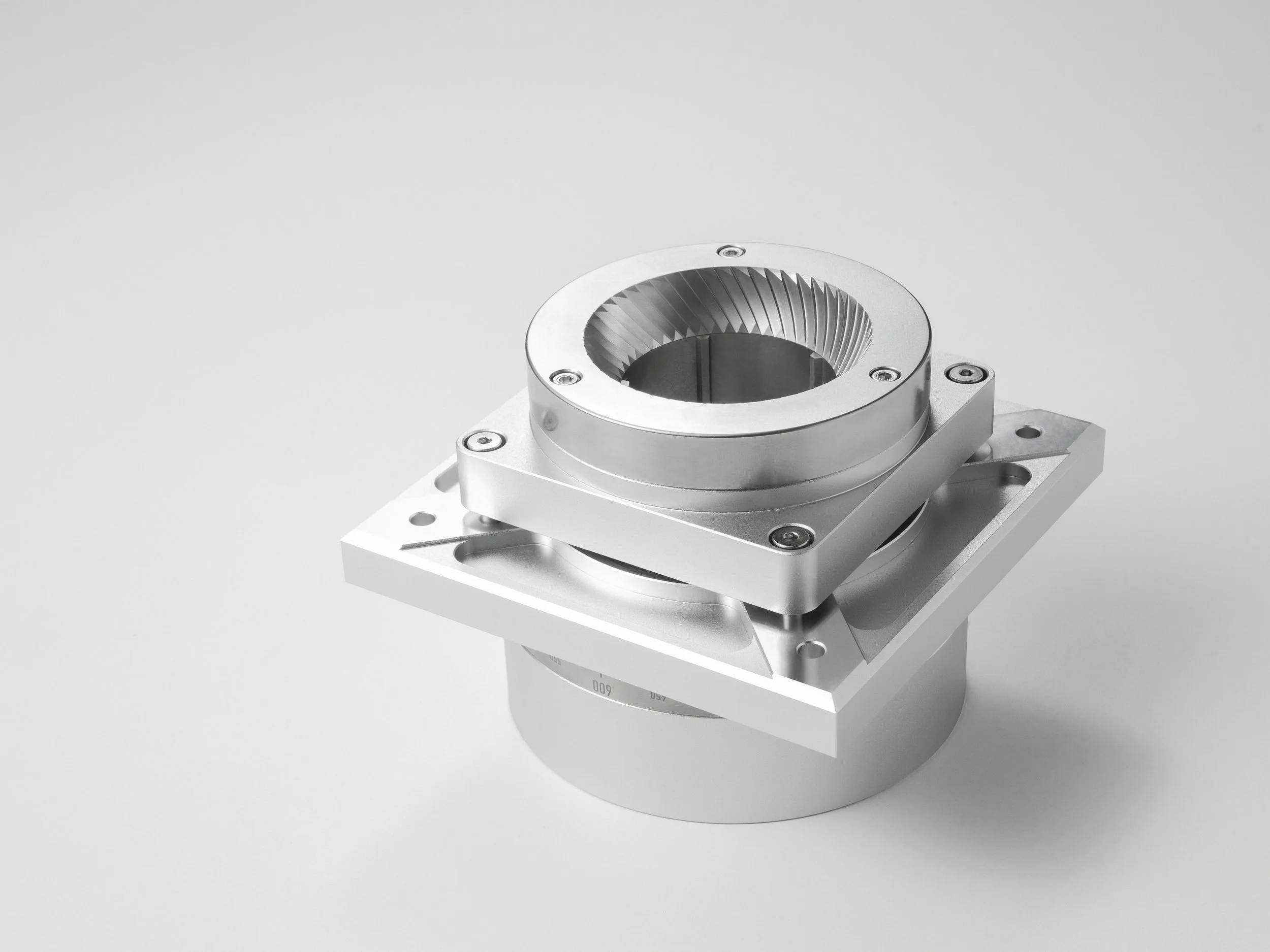
This allowed us to rethink the 100mm conical burr geometry from the ground up. Drawing inspiration from flat burr design, the new burrset takes a hybrid-profile approach to conical geometry, using a radiused, progressive feed profile to create a longer, flatter grind path.
Improved grind-to-grind consistency, a wider sweet spot, and a more balanced cup profile with greater control.
Tap either panel to switch the simulation. With PCS shows beans moving through the stepped crushing system, splitting into controlled medium and small particles before collecting in the bin below. Without PCS contrasts a conventional conical feed path with mixed particle sizes and less regulated flow.
WITH PCS
activeWITHOUT PCS
pausedThis section focuses on grinding stability under load. It provides an illustrated view of RPM behavior with high-density coffees, based on internal observations. The intent is to help visualize how the 1650W industrial BLDC motor minimizes speed fluctuation under load, maintaining more stable grinding dynamics as bean resistance changes.
Stable Under
Pressure
Precision grinding is not just about burrs geometry and alignment; it also requires precise control and stable speed under load.
Many conventional grinder assemblies rely primarily on the main bearing structure to support grinding loads. GDS introduces a secondary thrust ball bearing system, providing dedicated support for axial forces generated during grinding and improving overall stability of the grinding assembly under load. Together with the 1650W BLDC motor and closed-loop control, this helps maintain alignment and stable RPM as bean resistance changes.
From dense Nordic light roasts to continuous duty in a commercial setting, the drive system is designed to reduce motor stutter as beans enter the chamber - helping preserve consistent fracture dynamics and grind uniformity.
This section focuses on the internal structure behind GDS - how machining precision, bearing support, and assembly control work together to maintain burr alignment under load. The interactive tool visualizes tolerance stack-up across critical components, showing how small deviations can affect alignment at the burr interface.
Built True.
Held True.
Power is only useful when the burrs remain where they are meant to be.
GDS uses a newly designed internal architecture to further improve burr alignment within tight tolerances. Critical parts are machined with high precision, with key components controlled to within +/-0.01mm. The structure is further optimized with post-anodization machining to reduce tolerance stack-up, minimizing accumulated deviation across the assembly and preserving alignment at the burr interface.
The integrated upper burr assembly allows repeatable removal and installation without recalibration, helping maintain consistency through servicing and cleaning. Unlike conventional designs with multiple loose parts, the upper components are fastened together and removed as one module. Dual bearing support, with an additional dedicated thrust bearing (for flat burrs), helps keep rotation stable under load, preserving alignment even under higher torque conditions.
Each unit is assembled and inspected individually before leaving the workshop - so the intended precision is retained in practice, not just in design.
Tolerance Stack-Up Visualizer
Note: Animation simplified and exaggerated for illustration purposes.
This section focuses on the drivetrain behind the GDS platform - the main system that makes dual geometries possible. The industrial BLDC motor and composite-reinforced belt drive let both burr geometries run inside their own ideal RPM windows, with less heat transfer and less vibration at the grinding interface.
Raw Power.
Tuned to Geometry.
Different burr geometries have different operating sweet spots. By combining two burrs within one system, a challenge emerges: one motor drives both burr sets, but their ideal operating windows are not the same.
Rather than adopting a one-speed-fits-all approach, GDS uses a belt-drive system to transfer and tune power delivery from a single motor, allowing each geometry to operate within its intended RPM range. Conicals run lower, matched to their throughput, flow path, and fracture dynamics. Flats run higher, using rotational momentum to reduce crowding and maintain grind uniformity.
Compared to direct or gear-driven systems, the belt helps isolate motor vibration from the bearing and grinding assembly, reduce thermal transfer into the burr chamber, and distribute load more evenly for long-term durability.
Optimized RPM Profile
This section describe how GDS is intended as a control-oriented precision instrument. Speed, grind position, purge, and ionizer control remain direct, analog, and user-accessible.
Full Control.
Calibrated Precision.
GDS keeps the main variables in the operator's hand. Speed and grind position can be adjusted directly across burr geometry, coffee, and brewing style, while grind settings are expressed in microns for continuous, multi-revolution adjustment.
Micron Scale Control
Analog by Intent.
Physical controls were chosen for simplicity, reliability, and tactile experience - a deliberate move away from the touchscreens and digital interfaces that have become inevitable in modern life.
Purge on Demand.
A dedicated purge control keeps grind transitions fast and intentional, supporting calibration and retention management during routine workflow.
Static Control.
A dedicated static-neutralizer (ionizer) switch gives the operator control over static management and grind presentation, helping shape the final cup experience.
This section looks at the front mounting system of GDS - a magnetic, modular platform designed to support different ways of grinding, dosing, and preparing coffee. From portafilters to dosing cups and blind shakers, the setup can adapt as your workflow changes.
Your Workflow. Your choice.
Every coffee setup is different. Every workflow is different. GDS uses a fully magnetic mounting platform to keep the front setup adaptable.
Quickly swap between adjustable portafilter support and height-variable cup staging without tools, whether grinding directly into a basket, dosing cup, blind shaker, or another preparation accessory. The system is designed to stay open as workflows evolve - giving the operator freedom to adjust the setup, instead of working around the machine.
Accessory Mounting Platform
TECHNICAL SPECIFICATIONS
| Burr size | 102 mm flat or 100 mm conical |
| Burr configurations | Flat + Conical or Flat + Flat |
| Grind setting range | Turkish to French Press |
| Adjustment resolution (per revolution) | 0-1250 µm (conical); 0–750 µm (flat) |
| Typical dynamic grind retention | <0.1 g with knocker |
| Size & weight | 28.5 (W) × 40.5 (H) × 18 (D) cm, 29 kg |
| Grinding speed | 100-500 RPM (conical), 200-2000 RPM (flat) |
| Construction | CNC-machined 6061-T6 anodized aluminium and stainless steel |
| Precision | ±0.01 mm or better for all critical components |
| Bean capacity |
|
| Motor |
1650 W brushless DC motor with single-motor dual-geometry drive; Designed for one grinding chamber to be used at a time |
| Operation modes |
|
| Voltage | 100–120 V or 220–240 V |
| Warranty |
|